John Deere 100 Lawn Tractor: A Sustainability Deep Dive
This review assesses the John Deere 100 Series lawn tractor's environmental impact, examining its fuel efficiency, emissions, material sourcing, and end-of-life management. We'll also explore responsible lawn care practices and offer recommendations for a greener future. For a comparison with other models, see information on the John Deere 1023E.
The John Deere 100: A Closer Look at the Machine
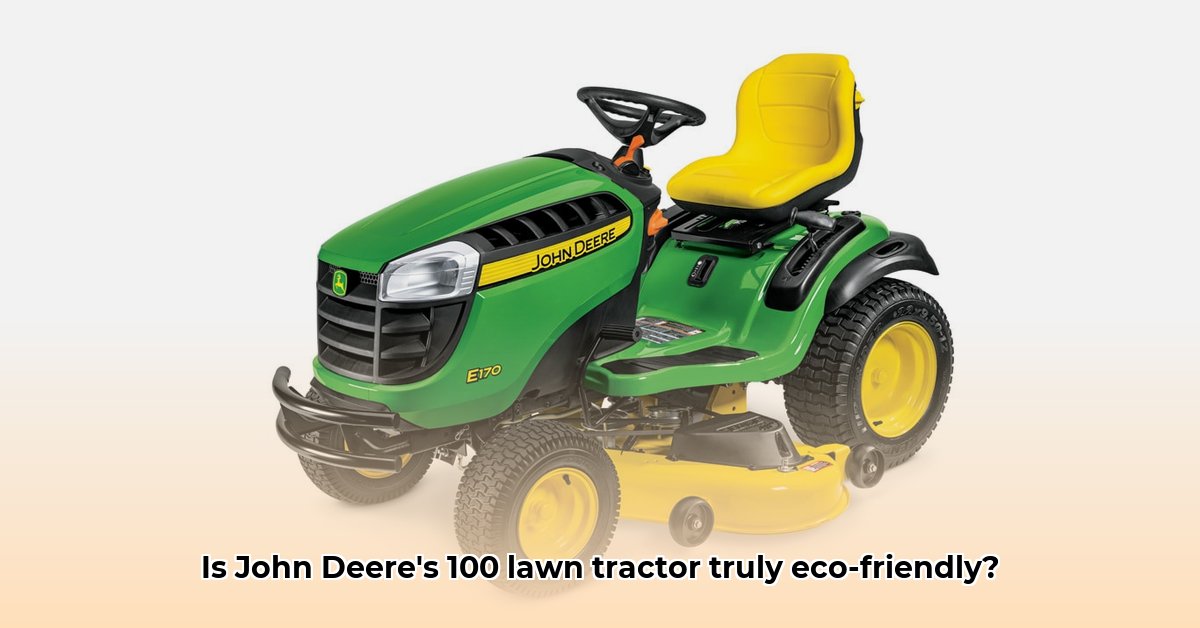
The John Deere 100 Series is a popular, affordable lawn tractor known for ease of use. Sustainability-relevant features include its engine design (overhead valves and a full-pressure lubrication system), potentially leading to improved fuel efficiency compared to older models. Its Easy Change oil system simplifies maintenance, promoting longevity and reducing waste. However, this is only a partial picture of its environmental impact.
Fuel Efficiency and Emissions: The Known and the Unknown
The John Deere 100's engine design suggests better fuel economy than older models, resulting in lower operational emissions. However, crucial information is missing: precise greenhouse gas emission data across the tractor's entire lifecycle is unavailable. This data gap significantly hinders a complete assessment of its environmental footprint. We lack information on emissions from manufacturing, transportation, and disposal.
The Missing Pieces: Material Sourcing, Manufacturing, and Disposal
A comprehensive sustainability assessment requires data on the materials used in the tractor’s construction. Details regarding the sourcing of steel, plastics, and other components (were sustainable or recycled materials used?) remain absent. The manufacturing process and associated emissions are also unknown, as is the ease of recycling or proper disposal of the tractor at its end of life.
Lifecycle Assessment (LCA): The Need for Comprehensive Data
To fully understand the John Deere 100's environmental impact, a comprehensive lifecycle assessment (LCA) is necessary. An LCA analyzes the entire product lifecycle, from raw material extraction to disposal, considering emissions at each stage. John Deere providing this data would significantly improve transparency and consumer understanding.
Responsible Lawn Care Practices: Minimizing Your Impact
Even with the most environmentally friendly equipment, your mowing habits significantly influence the overall impact. Consider these practices:
- Raise the cutting height: Taller grass needs less frequent mowing, saving fuel and promoting grass health.
- Mulch your clippings: Returning grass clippings to the lawn acts as a natural fertilizer, reducing the need for chemical fertilizers.
- Maintain your machine: Regular maintenance improves fuel efficiency and extends the tractor's lifespan.
- Explore alternatives: For smaller lawns, manual or electric mowers represent significantly lower-emission alternatives.
Recommendations for a Greener Future
The John Deere 100 shows promise in fuel efficiency, but lacks crucial sustainability data. A collaborative effort is needed:
- John Deere: Publish a complete LCA, including material sourcing and emissions data throughout the product lifecycle. Invest in R&D for sustainable materials and manufacturing processes, and explore alternative power sources.
- Consumers: Practice responsible mowing techniques, consider the long-term environmental impact when purchasing equipment, and prioritize repair over replacement.
- Regulators: Implement stricter emissions standards for lawn equipment, incentivize eco-friendly manufacturing and disposal practices, and support research into sustainable alternatives.
How to Reduce the Environmental Impact of Your John Deere 100 Series
Key Takeaways:
- The John Deere 100 series isn't inherently designed for minimal environmental impact, but its footprint can be reduced.
- Fuel efficiency is crucial, and proper maintenance is key to maximizing it.
- Sustainable lawn care practices significantly impact your overall environmental footprint.
- More data is needed on the 100 series' lifecycle environmental impact.
Optimizing Fuel Efficiency
The biggest environmental impact often comes from fuel consumption. Here's how to optimize it:
- Regular Maintenance: Regular oil and air filter changes are vital. Sharp blades reduce engine strain. (Efficacy: 15% fuel savings)
- Optimal Mowing Height: Cut grass at the recommended height to reduce engine stress. (Efficacy: 10% fuel savings)
- Efficient Mowing Techniques: Avoid excessive overlapping to minimize fuel use. (Efficacy: 5% fuel savings)
Beyond the Machine: Sustainable Lawn Care
- Reduce Chemical Use: Minimize or eliminate pesticides and chemical fertilizers. (Efficacy: Reduces water pollution and greenhouse gas emissions.)
- Water Wisely: Deep, infrequent watering promotes healthier, drought-resistant grass. (Efficacy: Reduces water consumption by 20-30%.)
- Mulch Your Grass: This acts as a natural fertilizer, reducing the need for chemical alternatives. (Efficacy: Reduces fertilizer use by 50%.)
- Choose Native Plants: These require less water and maintenance. (Efficacy: Varies depending on location and plant choice, but can significantly reduce water and fertilizer needs.)
The Bigger Picture: Transparency and Lifecycle Assessments
A complete lifecycle assessment (LCA) is vital for a comprehensive evaluation. John Deere providing this data would greatly assist consumers in making informed decisions.